
Key Takeaways
- Brisbane’s northern growth corridor runs from the city’s northern suburbs up through the City of Moreton Bay, one of Australia’s fastest-growing regions.
- Population growth, the University of the Sunshine Coast at Petrie, rail, and Bruce Highway upgrades are the corridor’s core growth drivers.
- It is primarily a value-and-growth market, offering affordability and yield well below inner-Brisbane prices.
- New-estate oversupply and flood exposure in low-lying and creek pockets are the two biggest risks to manage.
- A buyers agent helps you separate genuine value from new-estate hype and buy well in a fast-moving corridor.
Brisbane’s northern growth corridor is one of the most talked-about investment regions in South East Queensland, and for good reason. Stretching from the city’s established northern suburbs up through the rapidly expanding City of Moreton Bay toward Caboolture, the corridor combines strong population growth, major infrastructure, relative affordability, and genuine rental demand.
It is where a large share of the region’s new housing is being built, and where many investors are chasing the balance of growth and yield that inner Brisbane no longer offers. But rapid growth brings its own risks, from new-estate oversupply to flood exposure, so buying well here takes real local knowledge.
Across the wider Brisbane property market, the northern corridor rewards buyers who understand its fundamentals, and our buyers agency service is built to help you do exactly that.
This guide covers what the northern corridor is, what is driving its growth, the key suburbs and precincts, the investment case, the real risks, and how professional representation protects your purchase. It is written for investors and owner-occupiers who want a clear, honest picture rather than estate marketing.
What Is Brisbane’s Northern Growth Corridor?
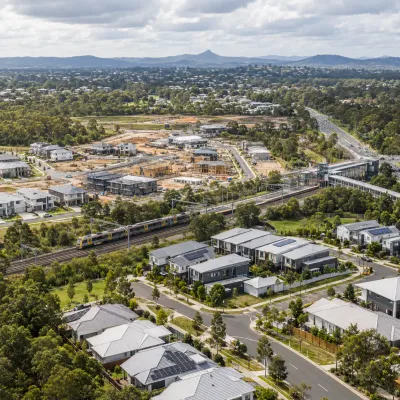
Brisbane’s northern growth corridor is the band of suburbs running north from the city, through the City of Moreton Bay, along the Bruce Highway and North Coast rail line. It is defined by rapid population growth and large-scale new housing.
The corridor spans established northern Brisbane suburbs such as Chermside, Aspley, and Bracken Ridge, then extends into the Moreton Bay region through North Lakes, Mango Hill, Petrie, Kallangur, Narangba, Burpengary, and Caboolture. The City of Moreton Bay is one of the largest and fastest-growing local government areas in the country, which is the single biggest reason this corridor attracts so much investor attention. It is best understood not as one market but as a chain of very different suburbs sharing a growth trajectory.
What’s Driving Growth in the Northern Corridor?
The corridor’s growth is driven by a rare combination of population influx, major infrastructure, education, and employment investment. These are structural drivers, not short-term hype.
Population growth is the foundation, with the region absorbing a large share of South East Queensland’s new residents, a trend documented by the Australian Bureau of Statistics. On top of that sits the University of the Sunshine Coast campus at Petrie, built on the former paper mill site as a major education and innovation precinct, alongside ongoing Bruce Highway upgrades and rail investment tracked by the Australian Government infrastructure department. Together, these create jobs, demand, and connectivity, which is exactly the mix that supports long-term property demand in a growth corridor.
Key Suburbs and Precincts in the Corridor
The corridor contains distinct pockets, from established northern Brisbane suburbs to brand-new Moreton Bay estates, each suiting different buyers. Knowing the difference is essential to buying well.
In established northern Brisbane, Chermside is a major retail and health hub, while Aspley, Bracken Ridge, and Carseldine offer settled family suburbs with existing amenity. Further north, North Lakes and Mango Hill are large master-planned communities with major retail, Petrie anchors the university precinct, and Kallangur, Griffin, Narangba, Burpengary, and Caboolture offer newer and more affordable house-and-land.
Our analysis of Brisbane growth suburbs covers many of these areas, and independent CoreLogic home value data helps benchmark how they have performed. Each pocket carries a different mix of price, growth potential, and risk.
A useful way to read the corridor is as three broad bands. The inner band, closest to Brisbane, is largely built out, with established homes, mature amenity, and the steadiest growth, but the highest prices in the corridor. The middle band, around North Lakes, Mango Hill, and Petrie, blends master-planned maturity with ongoing development and the pull of the university precinct.
The outer band, from Burpengary to Caboolture, is the most affordable and the highest-yielding, but also the most exposed to new supply and the furthest from the city. As you move outward, price falls and yield rises, but so does the reliance on future infrastructure and population growth to deliver returns. Knowing which band a suburb sits in tells you a great deal about what to expect from it.
Is the Northern Corridor Good for Investors?
The northern corridor is one of Greater Brisbane’s stronger value-and-yield markets, offering relative affordability and solid rental demand well below inner-city prices. It suits investors seeking a balance of growth and cash flow.
Lower entry prices relative to rents mean gross yields here often compare favourably with inner Brisbane, an equation many investors weigh alongside the high rental yields Brisbane can offer in well-located pockets, and median figures from the Real Estate Institute of Queensland help benchmark both price and rent across the corridor.
Sustained population growth underpins tenant demand, and the university and health precincts add reliable, renewable tenant pools. As always, the individual suburb, the specific street, and flood status matter far more than the corridor’s headline story, so the fundamentals of the specific asset should drive any investment decision.
It is worth being clear-eyed about what “good for investors” actually means here. The corridor rarely produces the dramatic capital growth of scarce, tightly held inner-city suburbs, because land is more plentiful and new supply keeps coming.
What it offers instead is accessibility: a genuine entry point into Greater Brisbane at prices that still allow positive or near-neutral cash flow, with population growth doing the heavy lifting over time.
For an investor building a portfolio, that affordability and serviceability can matter more than headline growth, because it is what lets you hold the asset comfortably through the cycle. The mistake is expecting a growth-suburb miracle from what is really a steady, demand-backed value play.
Growth vs Yield: What to Expect
The northern corridor generally offers a blend of moderate growth and solid yield, rather than the strong capital growth of scarce inner-city suburbs or the pure yield of some regional markets. Understanding that trade-off keeps expectations realistic.
Established suburbs closer to the city tend to offer steadier long-term growth, while newer estates further north offer higher yields but face more competition from ongoing supply. Our overview of the Queensland property market puts these dynamics in context, and our buyer services help investors weigh growth against yield for their specific goals. The right balance depends entirely on your strategy, timeframe, and appetite for the risks that come with brand-new estate stock.
The Risks: Oversupply and Flood
The two biggest risks in the northern corridor are new-estate oversupply and flood exposure, and both are manageable with the right due diligence. Ignoring them is where investors get hurt.
Large volumes of new house-and-land in growth suburbs can temper short-term price growth and rental returns while an area is still being built out, so supply is a genuine consideration when buying new.
Flood is the other key risk, as parts of the corridor sit near creeks and rivers such as the Pine and Caboolture rivers, so always verify the exact address against the official FloodCheck Queensland mapping and work through a full due diligence checklist before committing. Neither risk rules out the corridor, but both must be assessed property by property.
The supply risk deserves particular respect when buying a brand-new home in a large estate. If a developer is still releasing hundreds of similar lots and house designs nearby, your property is competing directly with brand-new stock for years, which can cap both resale price and rent growth until the estate matures.
Buying established, or buying the more individual homes within an estate rather than the most heavily replicated designs, can reduce that exposure. It is also worth checking what infrastructure has actually been delivered versus merely promised, because a suburb’s growth case often rests on schools, roads, and services that are years away.
Treating estate marketing as a starting point for questions, not as fact, is one of the most valuable habits an investor can bring to this corridor.
Which Part of the Corridor Is Right for You?
The right part of the corridor depends on whether you prioritise steadier growth, higher yield, or a brand-new home, and on your budget. These are genuinely different propositions.
Established northern Brisbane suburbs like Aspley and Bracken Ridge suit buyers wanting settled amenity and steadier growth, at higher entry prices. Master-planned North Lakes and Mango Hill suit those wanting modern, well-serviced communities close to major retail and the university.
Newer estates around Griffin, Narangba, and Burpengary suit investors chasing affordability and yield, provided they accept the supply risk and do the homework. For buyers matching a location to their goals, our guide to finding your ideal home is a useful companion. Getting this choice right at the outset shapes both your return and your risk for years to come.
How a Buyers Agent Helps You Invest in the Northern Corridor
The northern corridor is exactly the kind of fast-moving, marketing-heavy market where a buyers agent adds real value, because separating genuine opportunity from estate hype takes local expertise. It is easy to overpay for a new build sold on projections.
A specialist assesses genuine value against comparable sales, weighs supply risk in new estates, verifies flood exposure and building quality, accesses established stock as well as new, and negotiates without the emotion that display homes are designed to create.
You can see the outcomes we have delivered in our client results, and the best starting point is a focused strategy consultation that maps your budget and goals to the right part of the corridor.
Frequently Asked Questions
Where is Brisbane’s northern growth corridor?
It runs north from Brisbane’s established northern suburbs, such as Chermside and Aspley, up through the City of Moreton Bay via North Lakes, Petrie, Kallangur, and Narangba, toward Caboolture, following the Bruce Highway and North Coast rail line. It is one of the fastest-growing regions in South East Queensland.
Is the northern corridor a good place to invest?
For many investors, yes. It offers relative affordability and solid rental yields below inner-Brisbane prices, backed by strong population growth, the University of the Sunshine Coast at Petrie, and infrastructure investment. The key risks are new-estate oversupply and flood exposure, so careful suburb and property selection matters more than the corridor’s headline story.
What is driving growth in Moreton Bay?
Growth is driven by rapid population increase, with the City of Moreton Bay among Australia’s fastest-growing local government areas, plus the University of the Sunshine Coast campus at Petrie, Bruce Highway upgrades, rail connectivity, and expanding retail and employment. Together these create the jobs, demand, and connectivity that support long-term property demand.
Do northern corridor suburbs flood?
Some do. Parts of the corridor sit near creeks and rivers, including the Pine and Caboolture rivers, so low-lying pockets can carry genuine flood exposure while other areas sit higher and drier. Risk varies sharply by address, so always check the specific property against the official FloodCheck Queensland mapping before buying.
Should I buy new house-and-land or established in the corridor?
Both can work. New house-and-land offers modern homes and depreciation benefits but comes in greater supply, which can temper short-term growth. Established homes offer land content and steadier growth, often closer to the city, at higher prices. The right choice depends on your budget, timeframe, and tolerance for supply risk.
Should I use a buyers agent in the northern corridor?
For most buyers, yes. The corridor is fast-moving and heavily marketed, especially new estates sold on projections, and it is easy to overpay or miss flood and supply risks. A local buyers agent assesses genuine value, weighs supply and flood exposure, and negotiates well, which often recovers the fee and reduces the chance of a poor purchase.
Ready to Invest in Brisbane’s Northern Corridor?
The northern growth corridor offers a genuine combination of affordability, yield, and long-term growth potential, backed by some of the strongest population and infrastructure drivers in South East Queensland. But it rewards buyers who look past the estate marketing, weigh supply and flood risk honestly, and choose the right pocket for their strategy.
If you want that search handled by specialists who know the corridor suburb by suburb, the team at Amassed can help you assess value, verify the risks, and negotiate well. Get in touch through our contact page to start the conversation.
Resources
- City of Moreton Bay: planning, growth, and community information for the Moreton Bay region.
- Australian Bureau of Statistics: population and growth data for the northern corridor and Moreton Bay.
- Australian Government infrastructure: Bruce Highway, rail, and major infrastructure projects.
- CoreLogic Australia: home value indices and suburb-level data across the corridor.
- FloodCheck Queensland: official flood mapping to assess risk by address.
- Real Estate Institute of Queensland: median price and market data across Brisbane and Moreton Bay suburbs.

Elijah Turkovic is the founder of Amassed, a licensed buyer’s agent in Queensland (licence QPBL 4617660) and a member of the REIQ. He has spent more than 10 years in property, development and real estate, and lives in Broadbeach Waters on the Gold Coast.
He leads the team’s searches, due diligence and negotiations on home and investment purchases across Brisbane, the Gold Coast and the Sunshine Coast. Amassed acts only for buyers and takes no commissions, referral fees or kickbacks from sellers, agents or the inspectors it recommends.